
St Gwenfaen’s Well, Anglesey
St Gwenfaen’s Well, Holyhead
We learned about St Gwenfaen's well when we visited the church of St Cybi in Holyhead. We decided to visit.
The church at Rhoscolyn is still on the site of her original prayer oratory of 630 AD. It was lovely to find not only a church open for us to visit, but also clearly still in use. We have been really saddened as we have travelled around Anglesey and north Wales to see so many churches closed. I don’t think we have seen a single Methodist chapel that is still open and we have also come across many Anglican churches that are now disused. It is such a sad reflection on a land that has such history of Faith and favour from God. It’s not that the buildings are important, it’s that the Christian community seems to have dwindled and Faith seems to be struggling.
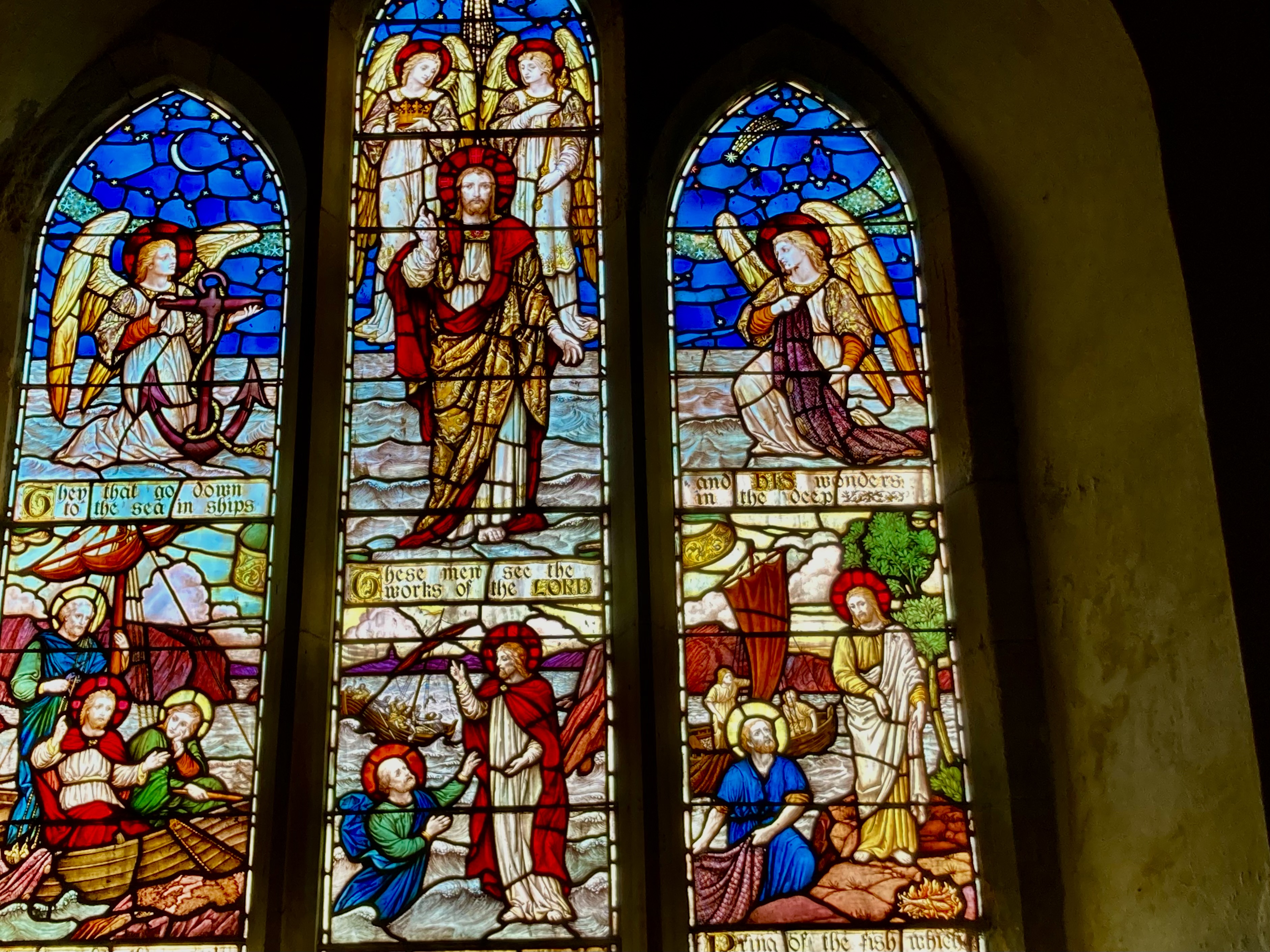
However there are these amazing historical Christian sites everywhere. Gwenfaen, daughter of Pawl Hen of Manaw, thought to be the Isle of Man came, with two brothers, as missionaries and she established her prayer oratory and well in 630AD. She was known to have an anointing to heal mental illness and many miracles were ascribed to her. Many made pilgrimages to this site for healing.
The church was a lovely place to pray, but we wanted to go and find the well because it sounded so unusual.
One of the main stories that remains and has been passed down, is how she was persecuted by the local Druids who wanted to kill her. They chased her away from her cell right to the cliff edge and she would have gone over, into the sea. She escaped by climbing the rock stack off Rhoscolyn Head but the tide was coming in and she would drown. However, at that point God‘s angels intervened and lifted her away. Some stories say she was taken right up to heaven, so she didn’t die by going over the cliff. It’s so reminiscent of how Elijah was snatched up to heaven. Hagiography (a mix of fact and legend) can never be truly unpicked but elements of truth remain within the legends. The bay is named after her, Porth Saint (Saints Bay).
Anyway it said that the walk to the well was an easy half mile and so we decided to do it. We could see from the OS map that it was on the cliff edge and we set off.
We are so glad we didn’t know just how long the walk was because it was near a 4 miles or more however the views were incredible. We could look right across to the mountains of Snowdonia, the Llyn Peninsula and it was so clear that we could even pick out Bardsey Island. This was amazing because it was the route we'd taken on our pilgrimage and the places where we had stopped to pray along the way.
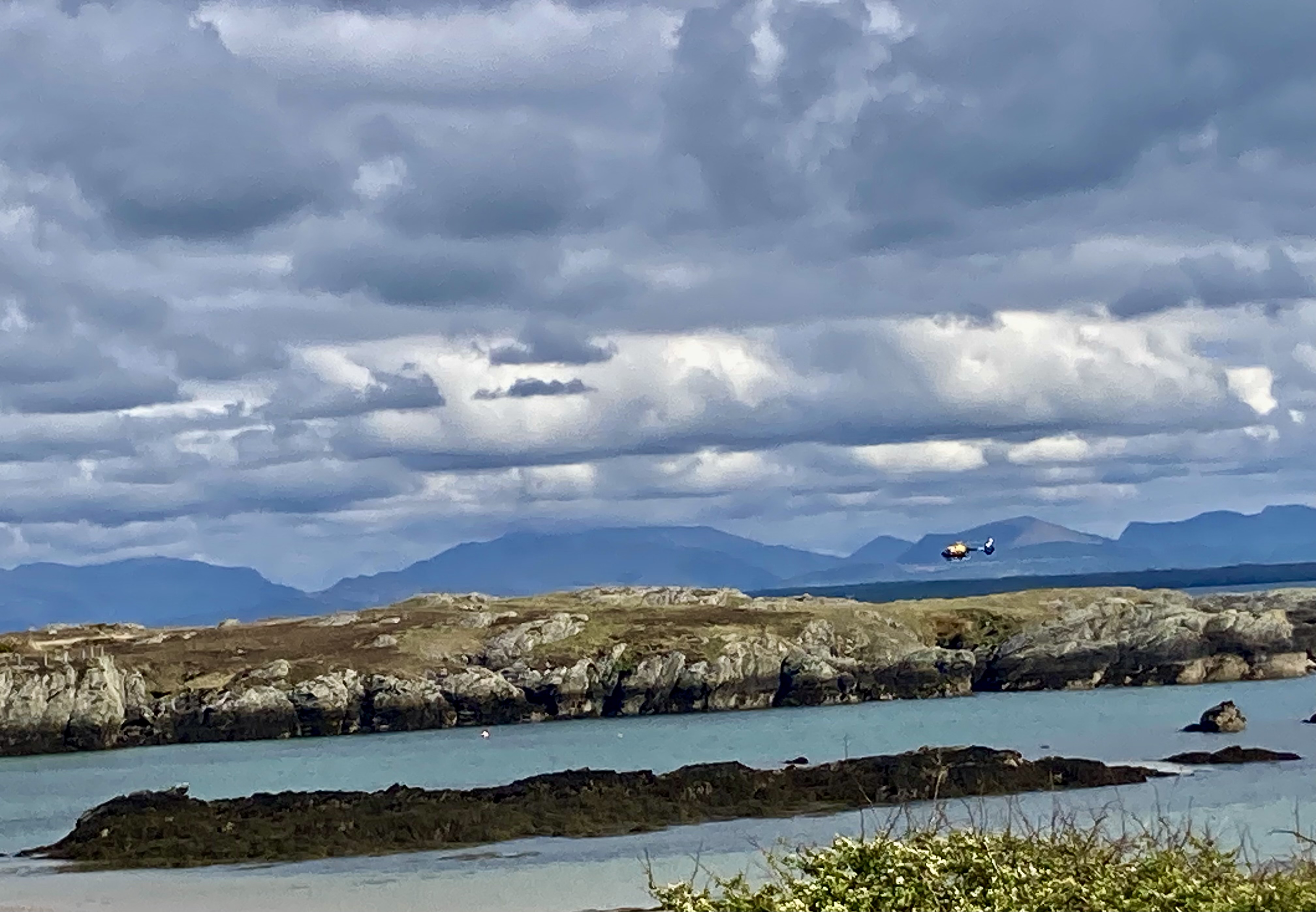
So we kept walking and enjoying the views, going up and down the cliffs but the well was nowhere in sight. We thought we were not going to be able to find it. The farmer had blocked access to his land which was fair enough because there’s a lot of walkers and he had sheep in the fields. From the map. It looked like the well was on this private land and we wouldn’t be able to get to it which was disappointing. We were just talking about this when suddenly I looked around and without realising it, we had stumbled across the well.
I think God must’ve been chuckling at our conversation waiting for us to see that we were actually right by the well.
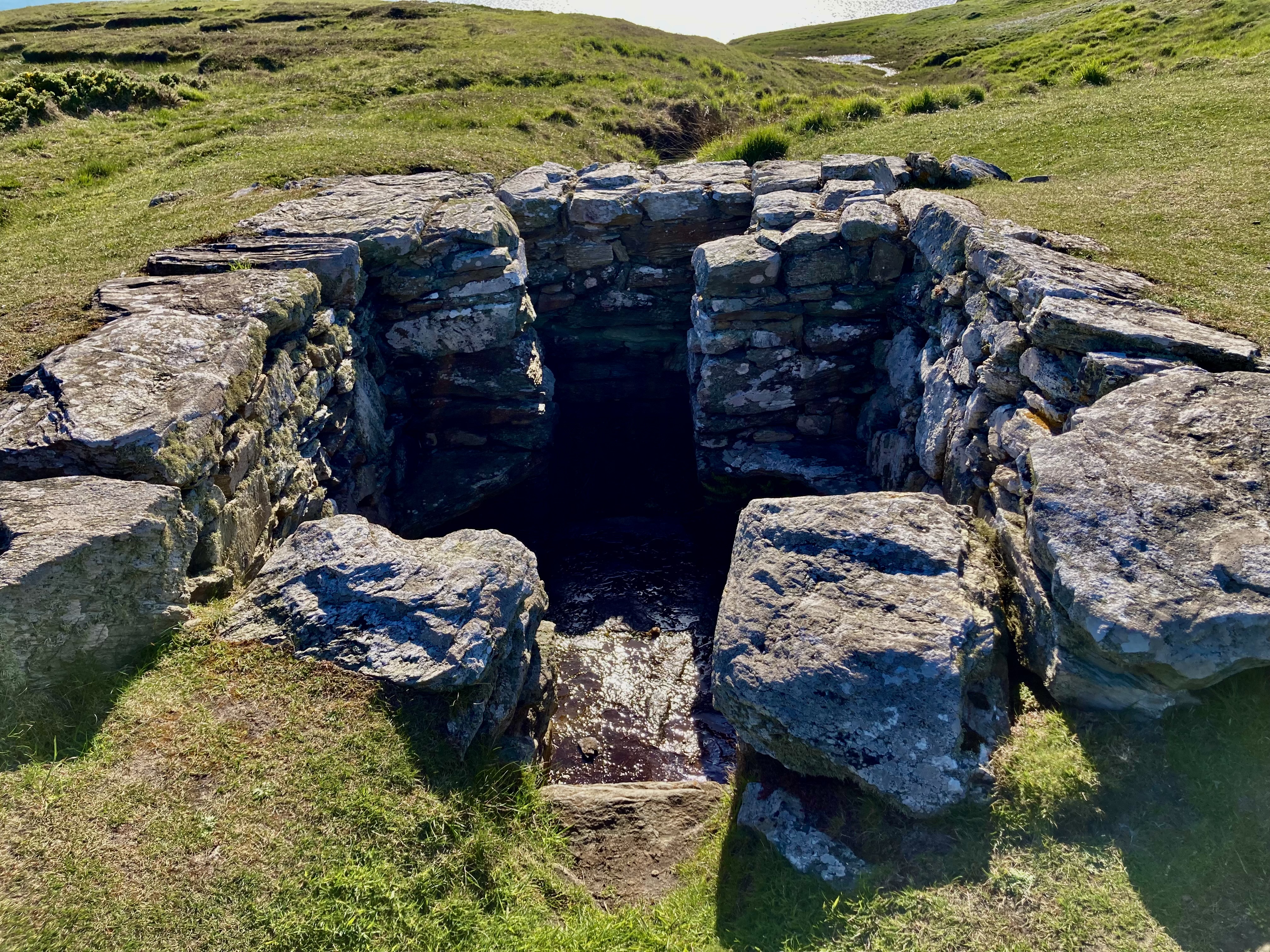
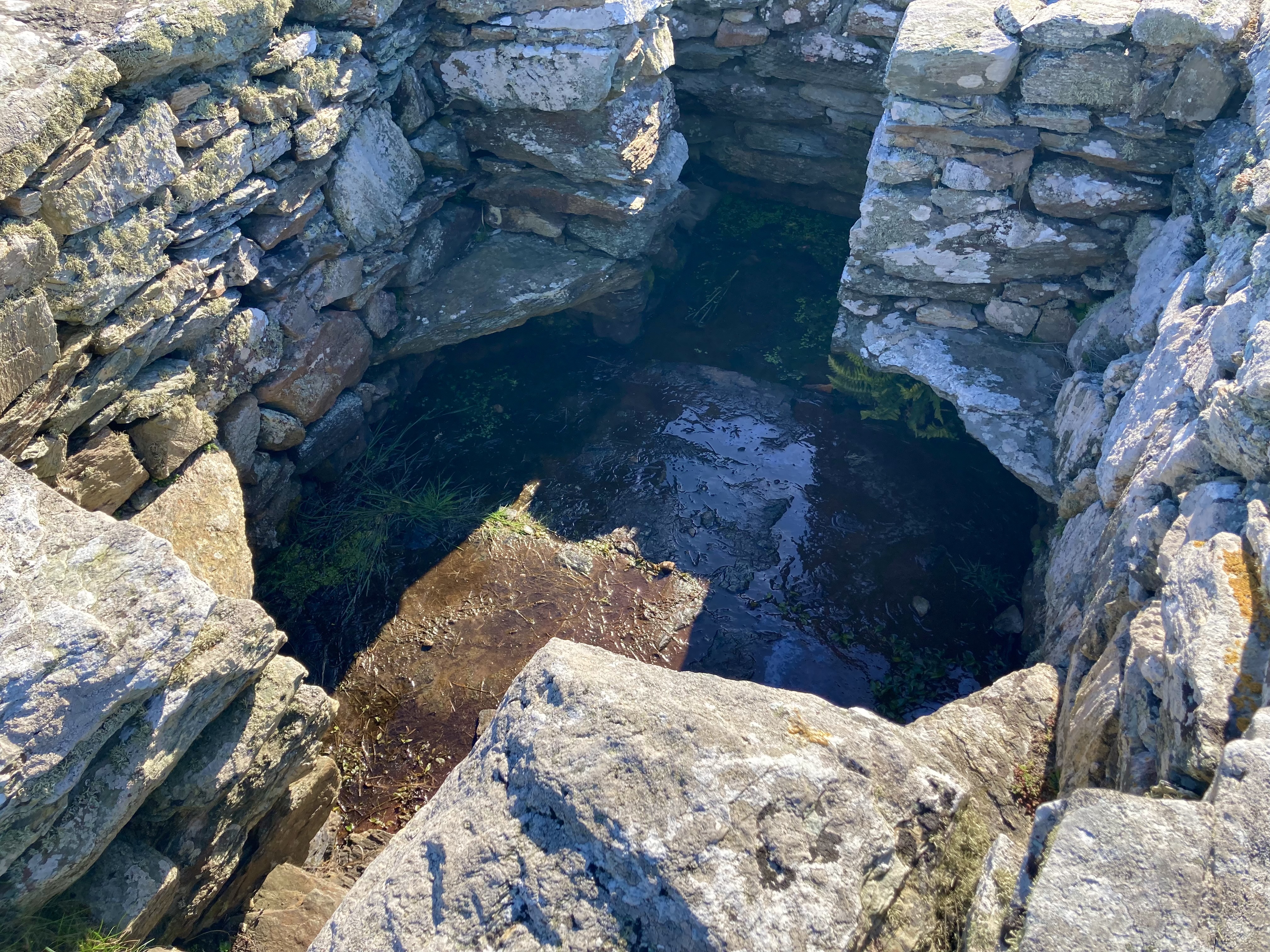
The Medieval structure is still there. It is a stone built well with steps leading down to a chamber. There are four seats in each corner and an area of water. The water flows out into another area that is bigger on the other side of the wall where people could walk down steps and immerse themselves. It is sunken right into the land which is why we hadn’t initially seen it.
We decided to walk down and sit on the seats as we dipped our hands in the water and prayed. The dog had a very long sweet drink from the water, which she often does at holy wells that are still 'thin places'. She seems to recognise the atmosphere of purity of these places. There are some where she avoids the water completely as though repelled, even though it looks fresh.
This was a very special holy well. It truly was a 'thin place' in the spirit realm. It didn’t feel polluted by anything or dark which is often the case at these places. Faith came easily and the whole place resonated with the presence of God and a sense of an angel there guarding the well.
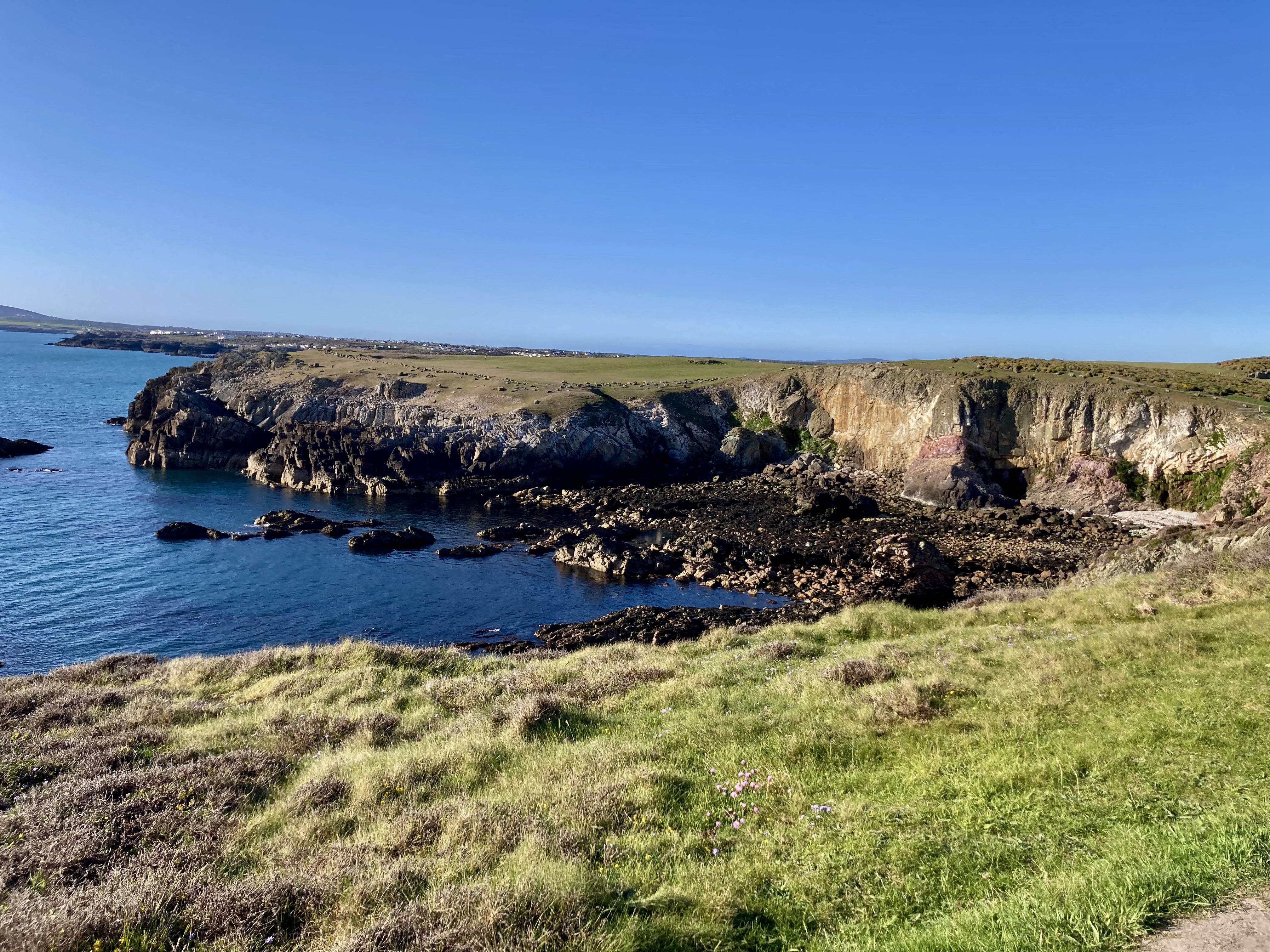
We linger for quite awhile, but were aware we still had a long walk back. But it was so worth the walk both for the experience at the well and the views. It was situated in a typical site for a Celtic holy place: right on the edge of the cliff, looking out to sea, isolated and with a sense of being on 'the edge of the world.'
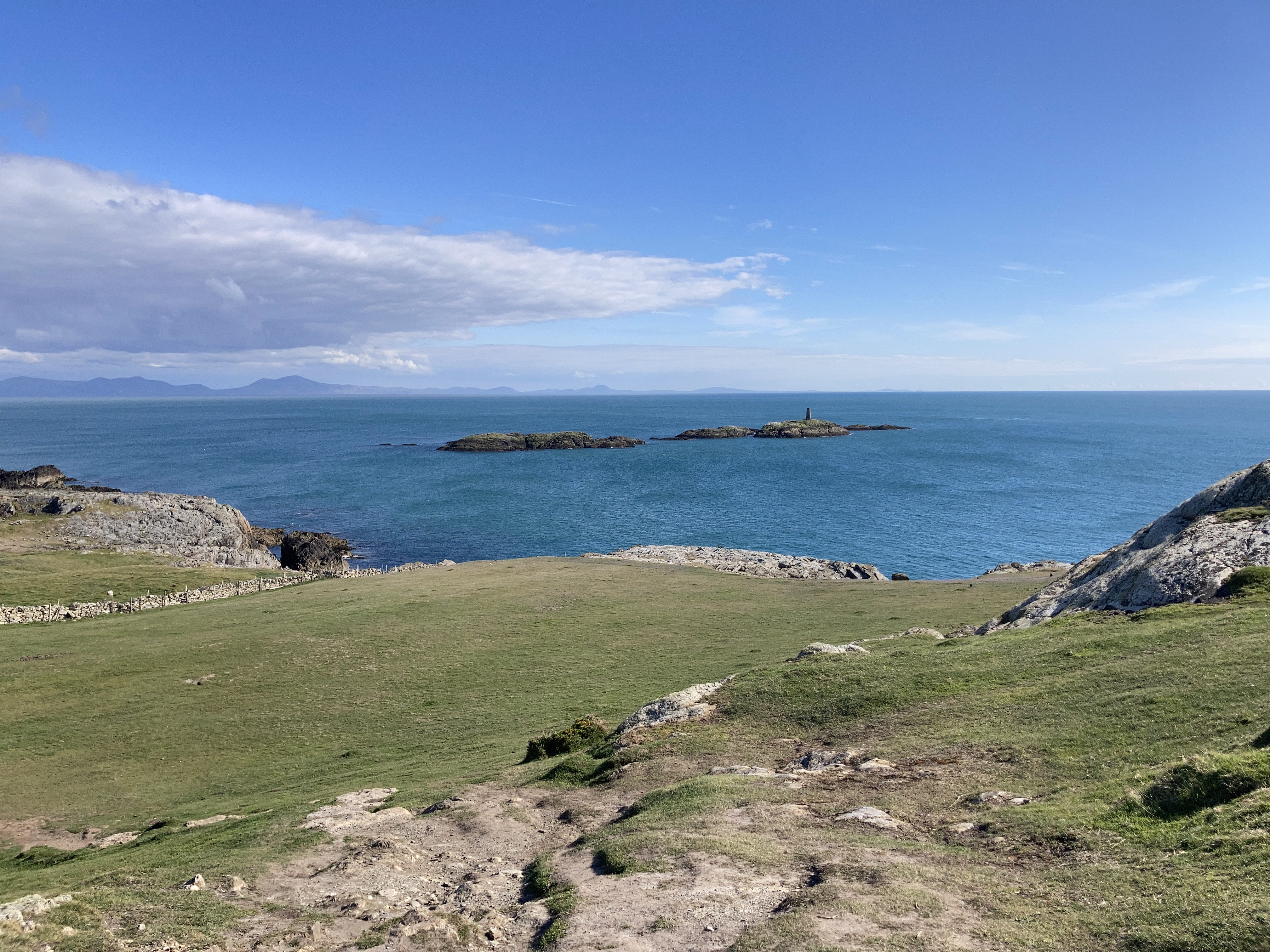
On the way back, we passed the cove that is still named after Gwenfaen, where she was reputedly taken up to heaven. Even the fact the cove is still named after her points to this hagiographic story as having some foundation. It is easy in the modern world to dismiss stories that were not written down. However we must not forget that the Bardic oral tradition of Celtic lands, particularly in Wales, was strong. Stories were passed down by word-of-mouth just like they did in the Jewish tradition. Yes, they may have been written down centuries later, once writing had been introduced but that element of truth can still remain within the stories. We can’t verify them except by looking at locations, at the structure of some of the lands that these prayer cells were built on, and the locations, all of which point directly back to these incredible people who set up these prayer movements and monastic communities. Their impact must’ve been phenomenal because so many places are named after them. They impacted the whole of the land and whilst many people want to go back and emphasise the pre-Christian druidic traditions, those very druids were drawn to the good news that these Celtic Christians were bringing. They wanted it. It wasn’t forced upon them but they liked what they saw. There isn’t a single name remaining of the Druids but there’s hundreds of names remaining of these Celtic Christians and I honour them for their courage, their commitment and their obedience.
So would I encourage you to go to Gwenfaen’s well? Absolutely! Modern Christianity offers so much but embracing an older layer of community, prayer, pilgrimage, hospitality, the Word of God, worship, nature and solitude, can add such a richness to our walk of Faith. I would encourage anybody to go on a pilgrimage and visit some of these places.