
St Tanwg and St Cadfan, a little history
St Tanwg
Associated with the church in the sands near Harlech in Wales. Little is known about him other than he was a relative of St Cadfan who is associated with the founding of a monastery on Bardsey Island. Tanwg is 5th century and in the church in the sands there is a massive grave stone which originated in Kilkenny in Ireland. It was carried to Llandanwg in a substantial boat and inscribed to Ingenuus. These monumental stones were erected elsewhere, such as the Samson stone at Llantwit Major and indicate the early nature of the church.
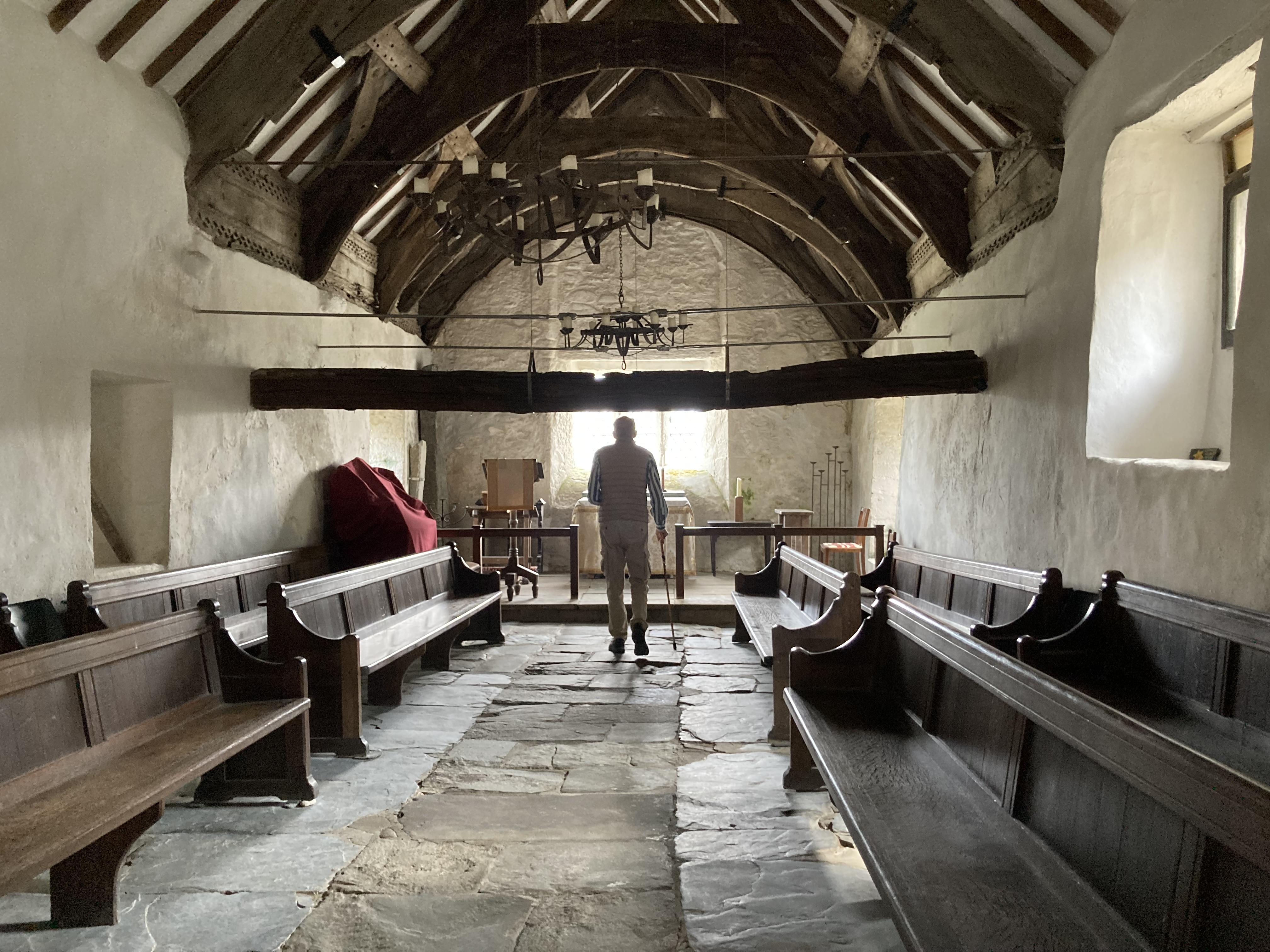
St Cadfan
Cadfan more popularly Catemanus, was a common name in the Roman Empire. There were two Cadfans associated with Merioneth in Wales. The best known is the 6th century St who founded the seminary at Tywyn and the associated monastery at Bardsey Island (Ynys Enlli), In 515AD and 520AD respectively. He was a contemporary of Saint David, Saint Gildas, Saint Samson on St Pol, and may have been a product of Saint Illtyd’s seminary Llantwit Major Glamorgan. He was still flourish in 550AD.
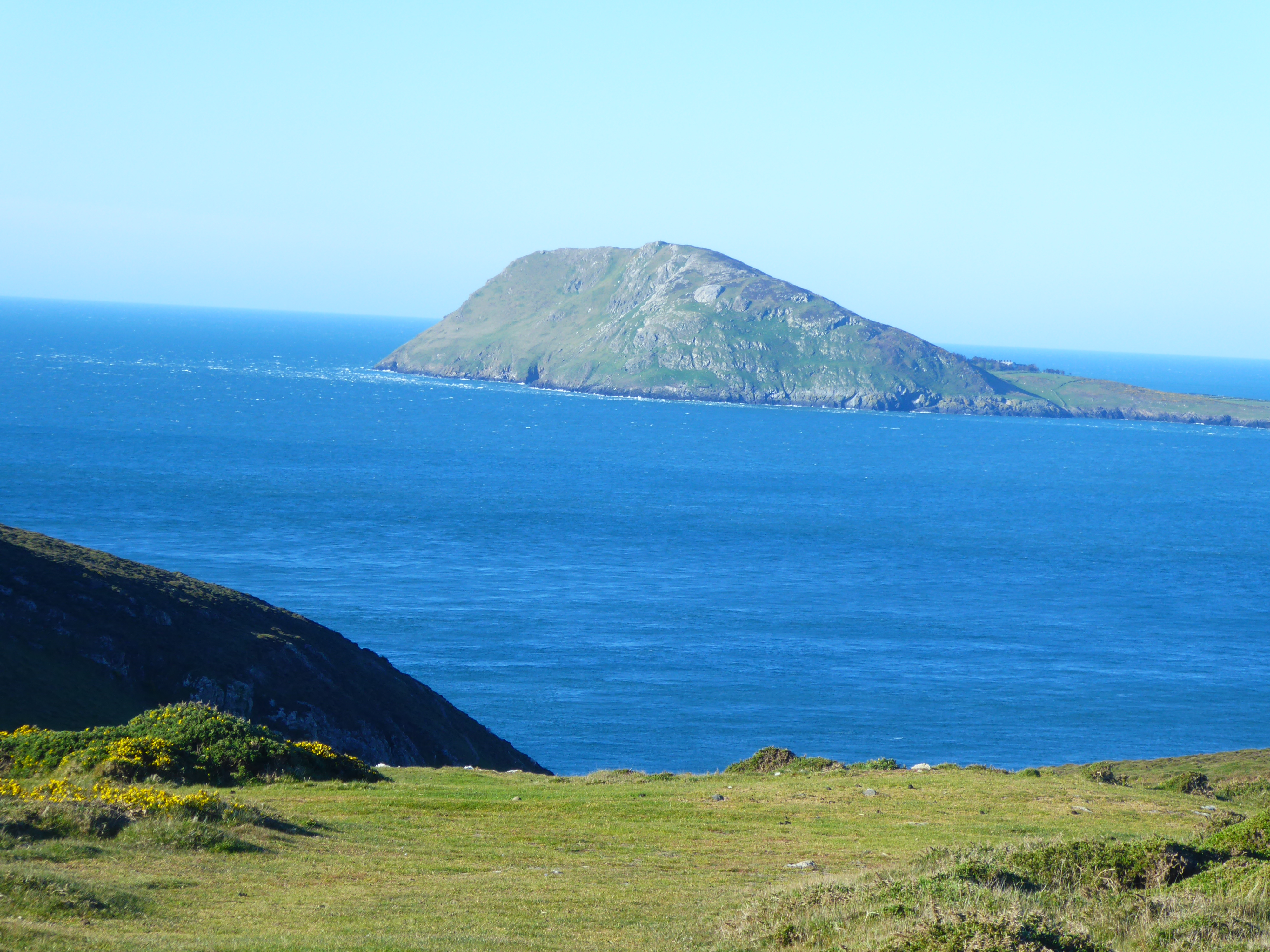
The second Cadfan, less well known, is St Cadfan of Brioc, Brittany who was driven from his lands in about 462AD. He took refuge with the King of Merioneth in Wales. The two kings may have been related.
It is now thought that 12th century chroniclers combined the two Cadfans into one person.
The later Cadfan founded a seminary at Tywyn and is recorded as the ‘mother church of South Merioneth’. This is the area lying south of the river Mawddach. By inference there is a ‘mother church of North Merioneth’ and already in existence when Cadfan founded his church at Tywyn in 515AD.
Llandanwg is also linked to Clochaeneg near Ruthin by a chain of early 5/6th century gravestones. These are Trawsfynnyd, Tomen y Mur, Ffestiniog, Penmachno, Pentrefoelas and Clochaenog. Also in the chain is the church of St Mary Magdalene at Cerrydydrurion. This church was founded by Evanus a disciple of St Patrick in 440AD.
The oldest gravestones are in the west and the youngest in the east of Wales showing there was a significant evangelistic thrust from Ireland through Wales in the 5th century. It entered south Wales at Fishguard and north Wales at Llandanwg. The purpose of the Christian community at Llandanwg becomes clear and was most probably in existence before 440AD and was the ‘mother church of north Wales.’
St Patrick sailed to Ireland to convert the Irish in 432AD and was sending monks from Ireland to Britain. The route from Llandanwg bypassed the Snowdonia mountains and was the safest and quickest.
Text credit to the noticeboards in St Tanwg's church, Wales